
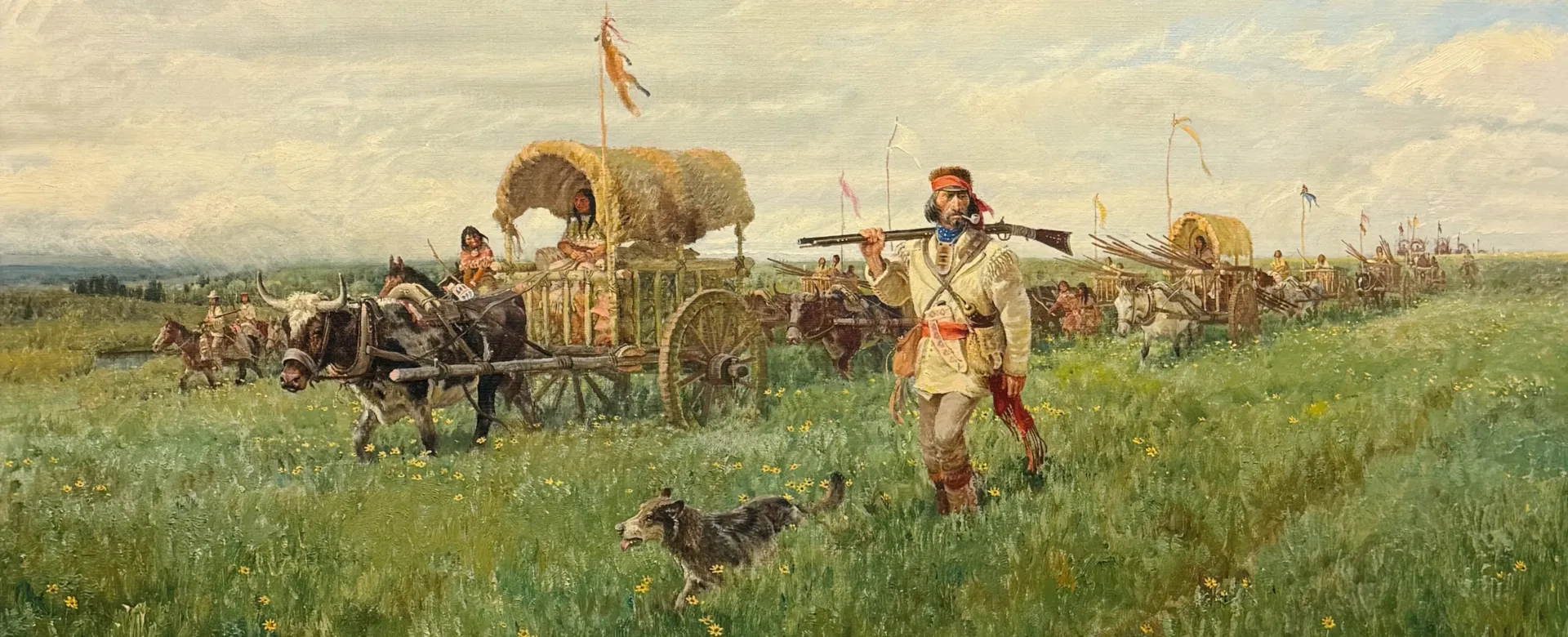
John Clymer | "The Métis Bridge" | 20" x 40" | Oil | SOLD FOR $300,000
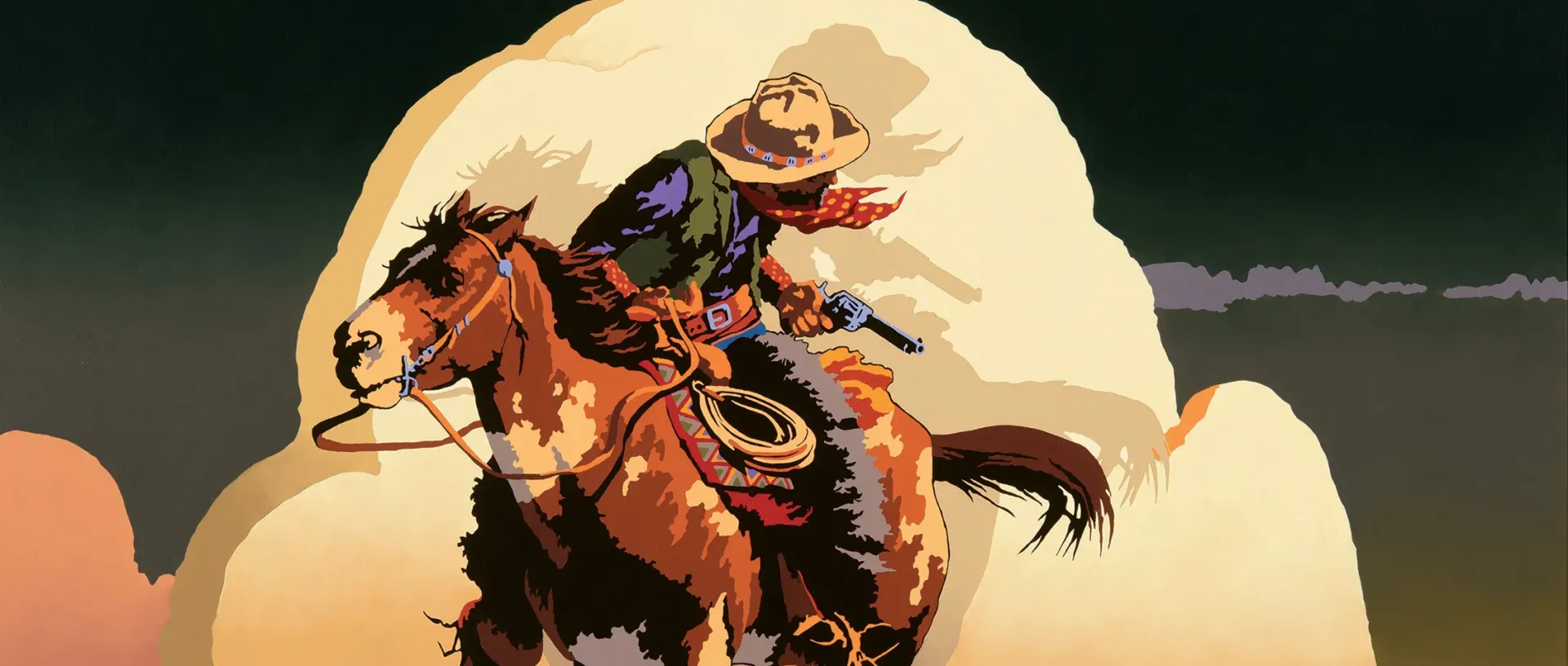
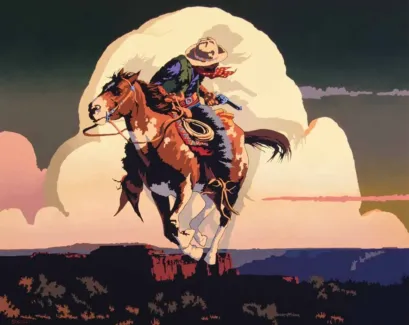
Billy Schenck | "Blood on the Horizon" | 40" x 50" | Oil | SOLD FOR $216,000 - New auction record!
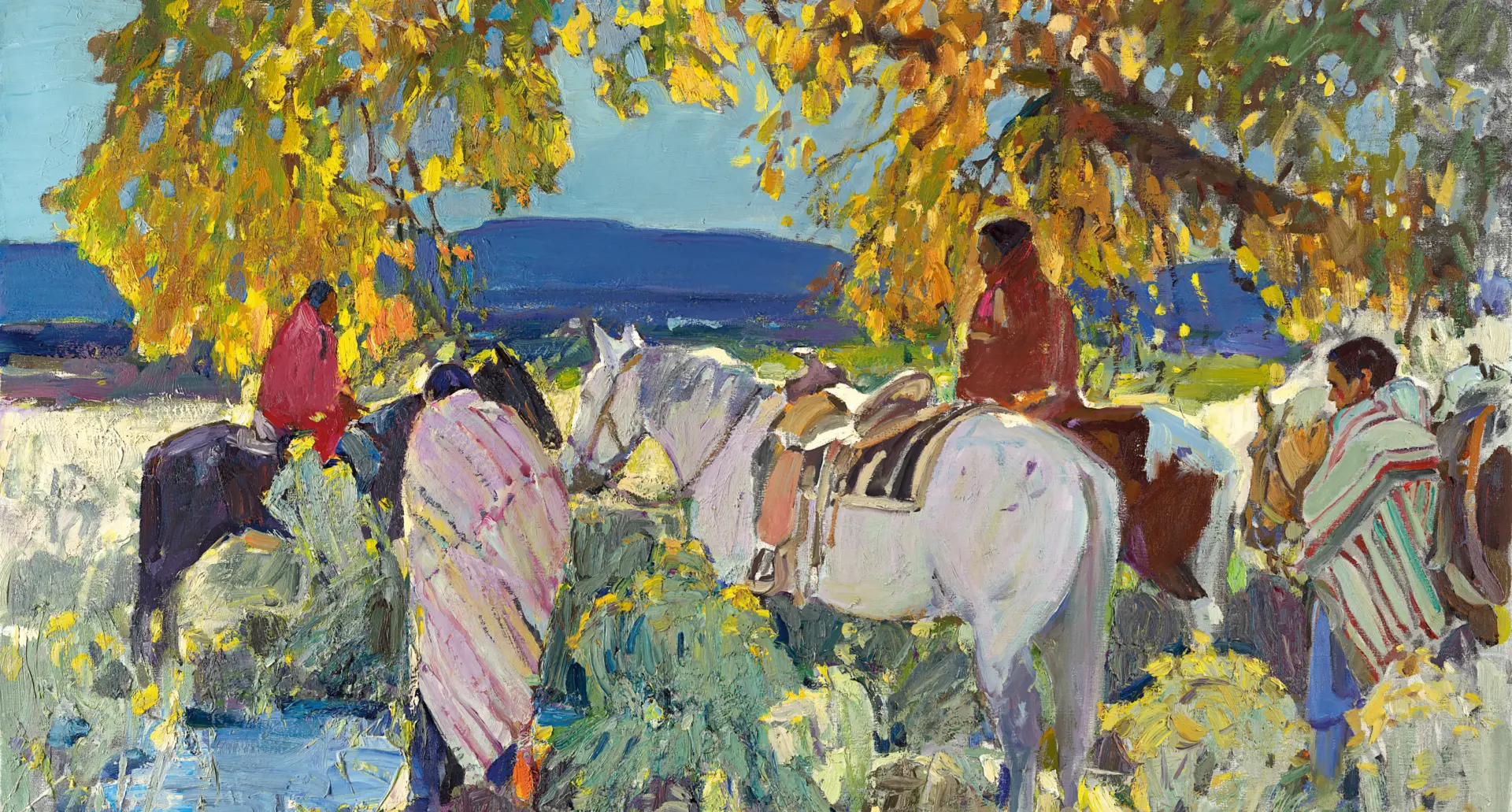
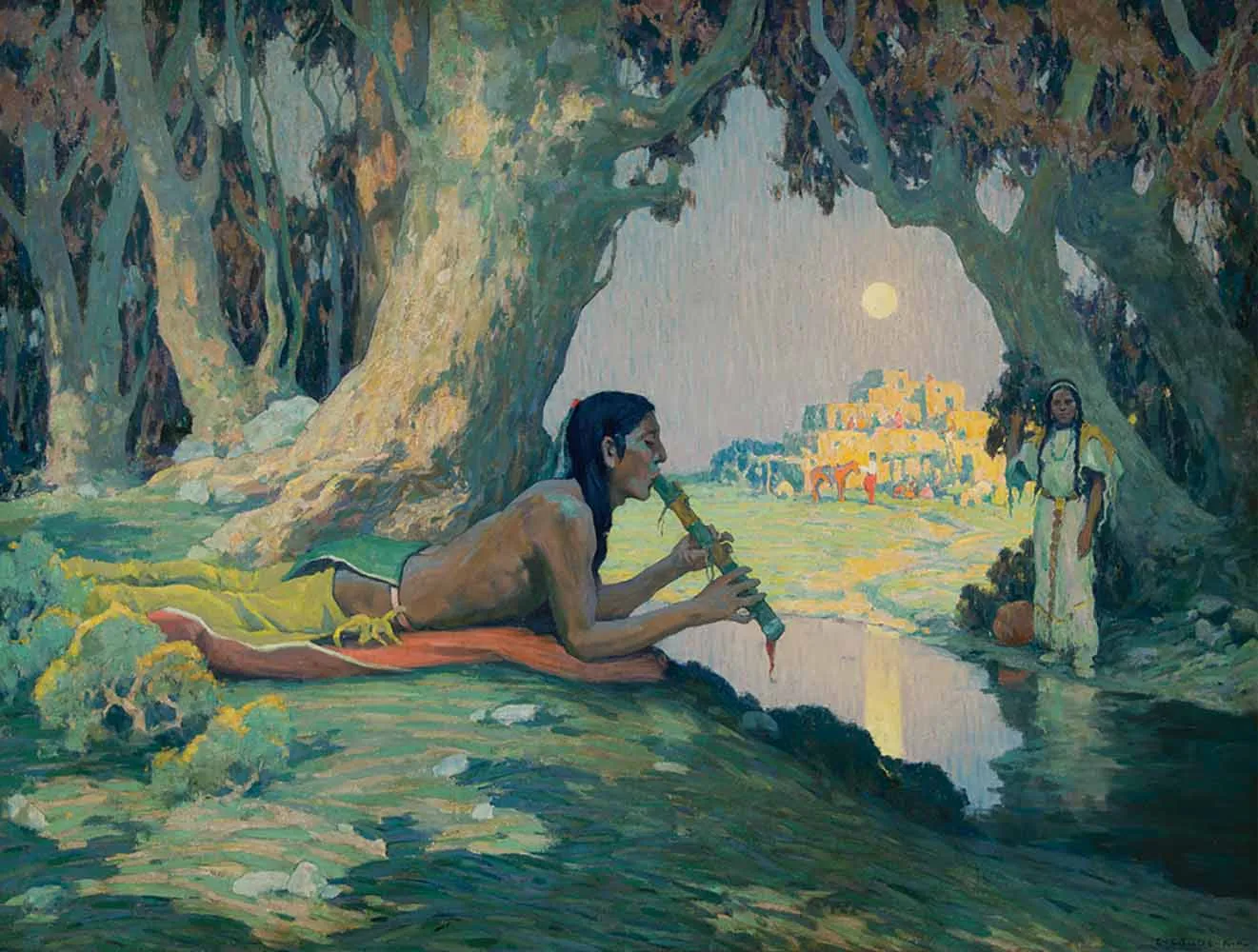
Jerry Jordan | "The Music We See With Our Eyes" | 36" x 48" | Oil | SOLD FOR $84,000 - New auction record!

Ed Mell | "Guardo Expanse" | 30" x 60" | Oil | SOLD FOR $132,000 - New auction record!
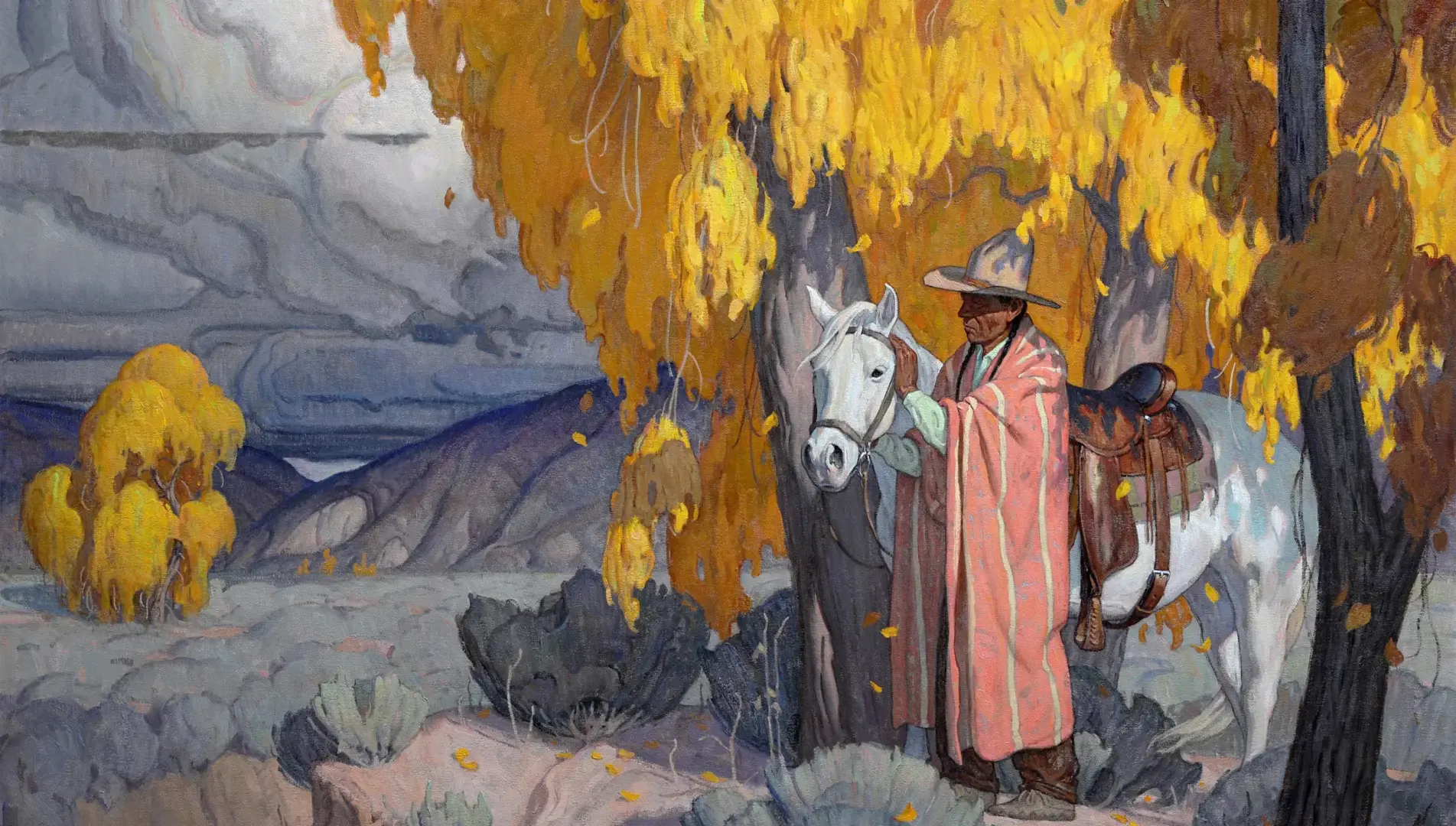
Eric Bowman | "Golden Canopy" | 40" x 50" | Oil | SOLD FOR $96,000 - New auction record!
Voted “Best of the West Art Auction” 4 years in a row by True West magazine

Scottsdale Art Auction – Over $260 Million in Sales
Where Western Art and fine collectable artwork meet passionate art collectors and connoisseurs. Scottsdale Art Auction is the premier destination for buying and selling historic artwork, masterful paintings, and sculptures from the most celebrated artists of the American West and beyond.
Trusted Art Dealers and Auctioneers – More than 8,500 Artworks Sold
As a leading Western Art Auction, Scottsdale Art Auction connects consignors and buyers through professionally curated art auctions that attract top bidders nationwide. Our Western Art auction was rated “Best of the West Art Auction” 4 years in a row! Our expert team ensures each art collection is represented with integrity, authenticity, and market expertise.
Consign and Sell with Confidence – 98% Sell-thru Rate
Whether you’re an established collector or new to the world of selling art, our specialists guide you through every step. From accurate valuation to global exposure on leading art auction sites, we help you maximize the value of your artwork while reaching serious buyers who appreciate the legacy of Western and American art.
The Destination for Western and Collectable Art
Each year, our auctions bring together art collectors, dealers, and enthusiasts who share a deep respect for Western heritage and artistic excellence. Explore, bid, and expand your art collection with confidence at the nation’s leading destination for Western art.
2025 Auctions Realized $18 Million!
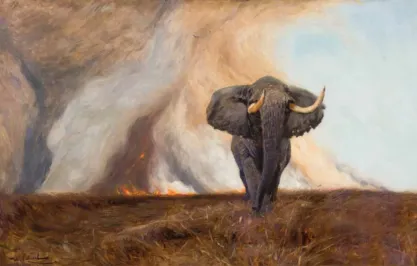
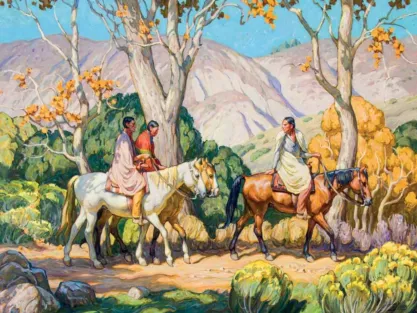
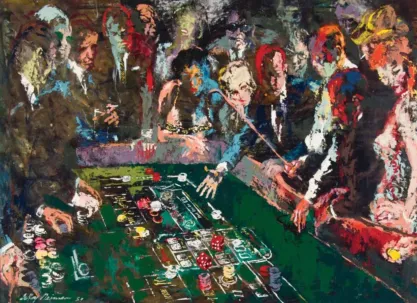
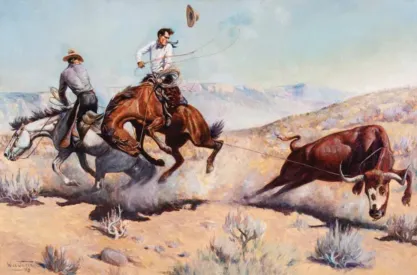
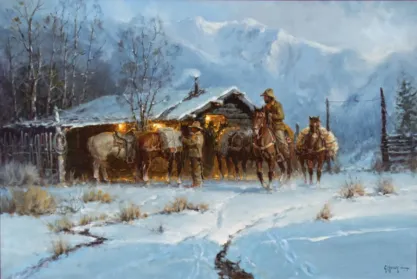
Coming to Auction this Spring: April 2026
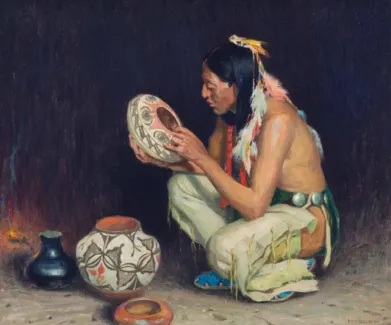
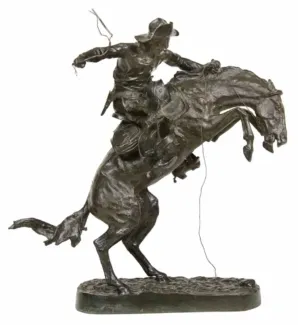
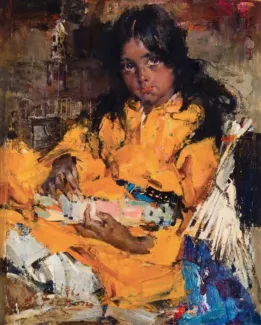
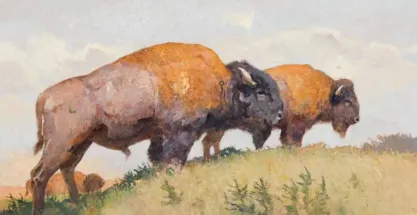


Preview Additional Spring Auction Artwork
WHY CHOOSE SCOTTSDALE ART AUCTION?
18
2025 Auctions realized $18 million.
28
2025 Auctions set 28 new auction records.
97
Over 20 years of proven auction success, with 97% of all lots sold.
268
Currently holding 268 art auction records; setting new records each year.
SIGN UP FOR AUCTIONS, EVENTS, AND NEWS
Subscribe to our email list to hear about upcoming auctions, events, and news.